Looking beneath behavior
Sociology and the study of human systems taught Harry to ask what has shaped a person before deciding what that person should become.
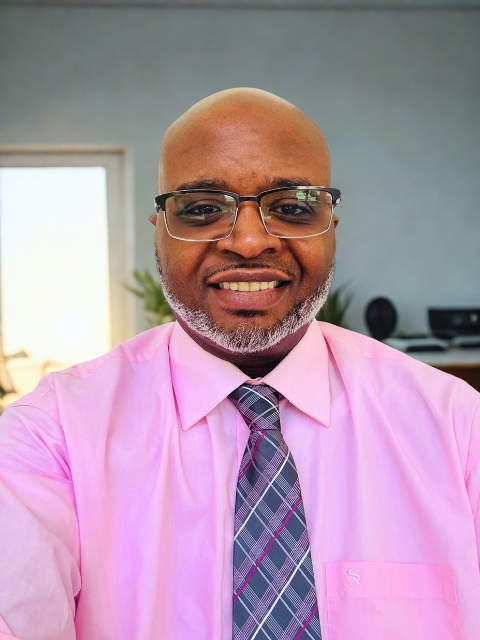
Founder · clinician · educator · speaker
Why IDM exists
What is active—and what becomes possible when we can see it more clearly?
The Integrative Dualities Method grew from years of clinical practice, human-systems study, spiritual inquiry, and one recurring observation: insight alone does not guarantee access to choice.
Enter the story↓The problem the method addresses
Under pressure, fear, shame, anger, grief, desire, pride, guilt, or apathy can become more than information. A state can begin organizing perception, identity, judgment, and action.
IDM does not ask people to eliminate emotion. It asks what the emotion is signaling, how it is organizing experience, and what would help perspective and choice become more available.
How the method emerged
IDM took shape where different ways of understanding human life began speaking to one another.
Sociology and the study of human systems taught Harry to ask what has shaped a person before deciding what that person should become.
Clinical work revealed a persistent divide: people could understand themselves deeply and still lose access to that wisdom when a protective state narrowed what they could perceive or choose.
Years of spiritual and psychological inquiry deepened the question of how thoughts, emotions, stories, and identities can be present without defining the whole person or dictating what happens next.
IDM emerged where these streams met: a framework for recognizing what is active, widening perspective, and choosing a more intentional response.
The founder behind the framework
Harry J. Turner is a licensed clinical social worker, educator, and student of human nature. His work brings together clinical practice, sociology, cultural awareness, psychology, spirituality, and sustained inquiry into how emotional states can organize perception, identity, and action.
IDM was shaped not only by observing others, but by examining pain, identity, shadow, meaning, and the ways protective patterns can become mistaken for the whole self.
The founder is not presented as someone who has completed human development, but as someone committed to participating in it consciously and responsibly.
How the work is held
Name what is happening without reducing the person to the state.
Understand the person in context without treating one cultural norm as universal.
Make room for meaning without prescribing what another person must believe.
Distinguish supported mechanisms from the developing IDM framework built from them.
What IDM is becoming
IDM is developing through professional training, public education, writing, audio learning, organizational work, speaking, retreats, and future research. Different forms. One enduring pursuit: helping people understand what is active, widen what they can see, and respond with greater integrity.
Assist others in developing the audacity to live unapologetically authentic.